Your safest password is the one you don't know | Telemetrymx · TELEMETRY INSIGHT
It sounds odd, but it's true. Why memorizing passwords is a bad habit and how password managers changed the rules.
Security · 4 min · Jul 26, 2026
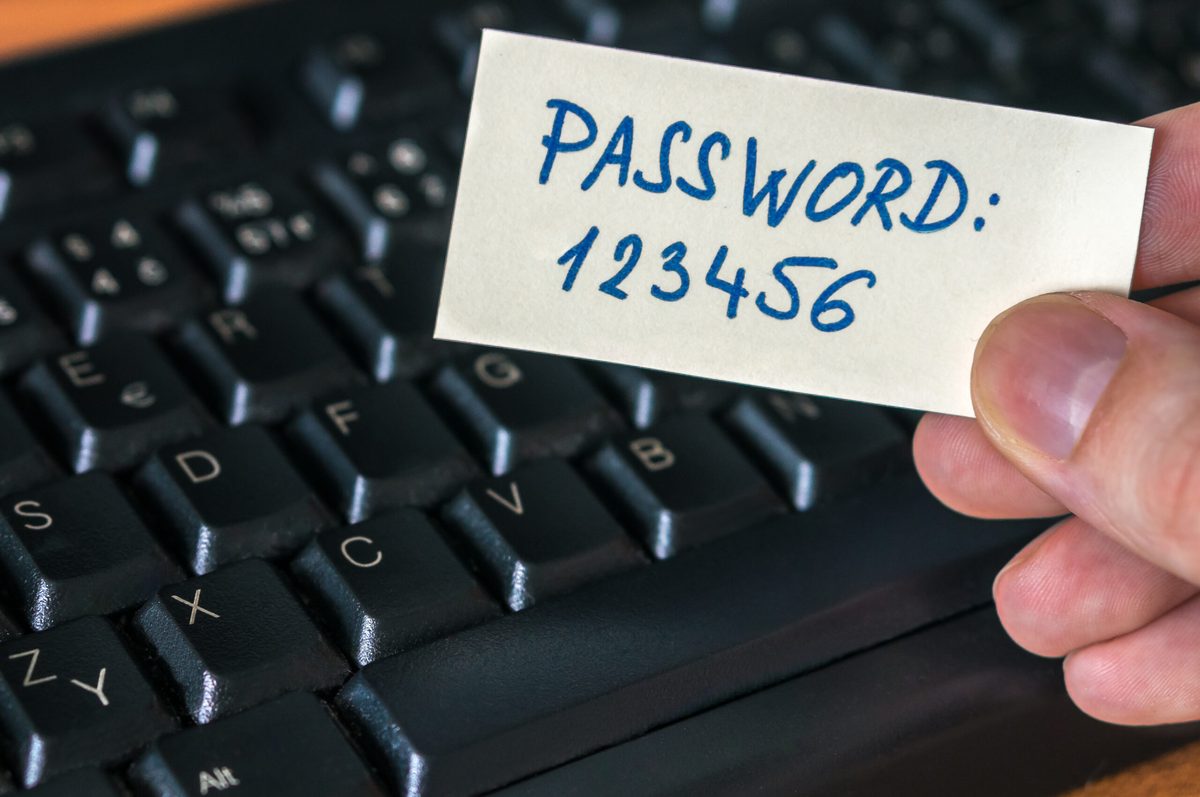
For years we were taught to create “strong” passwords: one capital letter, one number, one symbol. The result was predictable. We all ended up using variations of the same pattern across twenty sites, and writing them on a sticky note attached to the monitor.
The problem was never how strong the password was. It was that we tried to memorize them.
Why memory fails us
The average person has more than a hundred digital accounts. Nobody can remember a hundred different passwords, so we do the logical thing: we repeat them. And when a single site suffers a breach, that repeated password opens every other door.
- Reusing the same password across services
- Using personal data: dates, names, pets
- Changing only the last digit when forced to renew
- Storing them in phone notes or on paper
- Sharing them by message or email
If you can remember all your passwords, they probably aren't different enough from each other.
How a password manager works
A manager generates long random passwords, stores them encrypted and types them for you when you enter a site. You only memorize one: the one that opens the manager. That one is worth making long and unique.
The shift in mindset matters: you stop managing passwords and start managing access to them. Add two-step verification wherever possible and you'll have closed most of the doors attackers use.